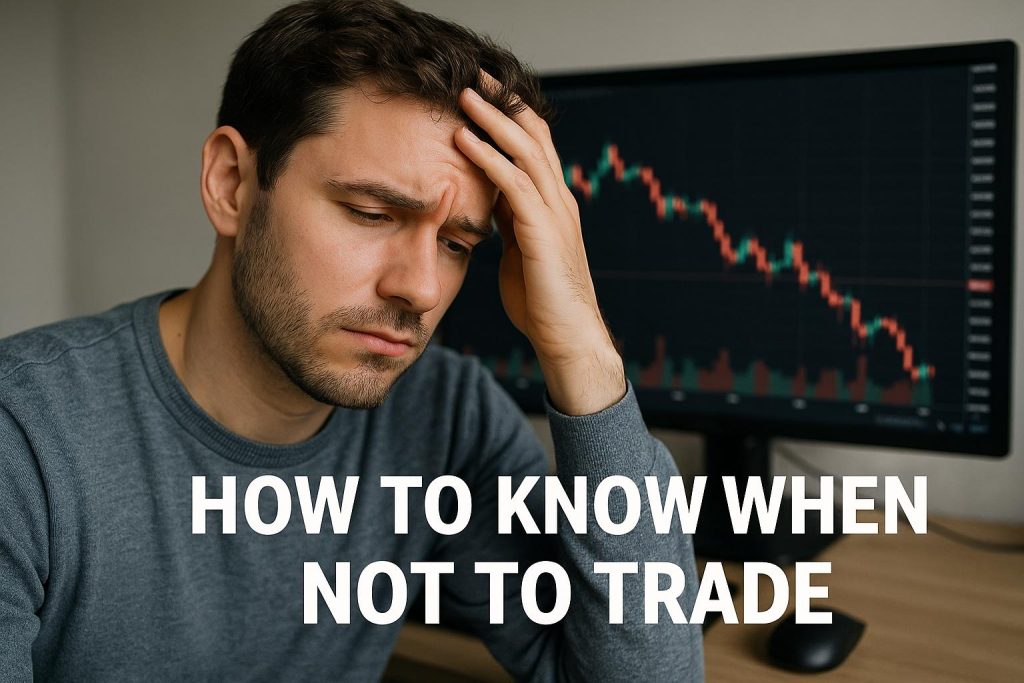
How to know when not to trade
Written on May 8, 2026 By admin in Uncategorized
Understanding When Not to Trade
Trading can be a dynamic and enticing activity, yet it is essential to recognize times when stepping back is the wisest move. This awareness is crucial for maintaining long-term success and mitigating unnecessary risks. Knowing when to refrain from trading can prevent potential losses and ensure more strategic engagement with the markets.
Market Volatility
In the financial markets, volatility is a double-edged sword. It presents both opportunities for profit and the potential for significant losses. Volatility in the markets can lead to unpredictable price swings, often rendering analysis techniques less effective. During such periods, it is crucial to understand one’s risk tolerance. It is important to establish how much risk you are willing to undertake without jeopardizing your financial stability. The markets can become volatile due to economic data releases, geopolitical events, or even unexpected news. For instance, a sudden announcement by a central bank regarding interest rate changes can send shockwaves through the markets, leading to rapid price fluctuations.
Traders should consider avoiding trades when fluctuations are too rapid to manage effectively. In times of extreme volatility, even experienced traders can find their strategies invalidated by rapid market movements. Therefore, waiting for the market to settle can often be a prudent course of action, allowing for more strategic decision-making when conditions stabilize.
Emotional State
An often overlooked factor in trading success is the trader’s emotional state. Trading under stress, excitement, or frustration can lead to impulsive decisions. Emotions can cloud judgment and lead to decisions that deviate from a carefully laid-out trading plan. It is advisable to avoid trading when feeling overwhelmed or emotionally unbalanced. Taking a break can prevent hasty decisions that might lead to losses. Simple strategies, such as taking a walk or practicing mindfulness techniques, can be effective in regaining composure and focusing your mindset before engaging with the markets.
Absence of a Trading Plan
A trading plan serves as a road map for making informed decisions. If you find yourself without a clear plan or strategy, it is wise to refrain from trading. This includes having specific entry and exit points, risk management rules, and clear objectives. Trading without a plan is akin to gambling and can quickly erode capital. A well-structured trading plan details the criteria for entering and exiting trades, aligning with your overall financial objectives. Without such structure, trades are driven by impulse rather than strategy, increasing the likelihood of financial loss.
Unfamiliar Markets or Instruments
Venturing into unfamiliar territory without adequate research and understanding can be risky. Each market or trading instrument has its unique characteristics and influences, such as liquidity, volatility, and regulatory environments. Before entering a trade in unknown sectors, ensure you are well-informed and have tested your strategies under similar conditions. Engaging with unfamiliar markets without fully understanding their intricacies can lead to misinformed decisions and unexpected outcomes.
Technical Issues
In the digital age, technical problems can disrupt trading activities. From internet connectivity issues to platform malfunctions, these disruptions can have serious consequences for traders. For instance, if you lose internet connectivity during a trade, you might miss crucial opportunities to enter or exit positions. Before trading, ensure that all systems are functioning correctly to avoid being trapped in unfavorable positions due to technological failures. Regularly updating your trading platforms and having contingency plans in place can help mitigate these risks.
Unpredictable Economic Conditions
Economic conditions such as interest rate changes, political instability, or natural disasters can lead to market unpredictability. Monitoring economic calendars and understanding how such events can affect trading instruments is critical. For instance, a looming presidential election or an unexpected natural disaster can cause market turmoil. During these uncertain periods, it might be prudent to delay trading until markets stabilize. This approach allows traders to assess the broader economic landscape and make more informed decisions based on stable conditions.
End of the Month, Quarter, or Year
The end of these periods often sees adjustments by institutional traders, which can produce erratic market movements. These adjustments may include rebalancing portfolios or taking profits, leading to fluctuations that might not align with the fundamental market trends. This environment can lead to unforeseen volatility that is not indicative of actual market conditions. Consider stepping back during these times to avoid being caught in unexpected market behavior.
Lack of Confluence
One of the core principles of effective trading is ensuring that your analysis is supported by multiple indicators or sources of information. This increases the probability of a successful outcome. Avoid trading based on a single indicator or isolated analysis. A lack of confluence could lead to trades with a lower probability of success. For example, if only one indicator suggests a trade while others point in the opposite direction, it may be worth waiting for more confirmation before committing to the trade. In essence, a holistic approach often yields more accurate predictions and effective strategies.
Conclusion
Being able to identify when not to trade is an essential skill for any trader aiming for longevity in the markets. While opportunities for profit can seem enticing, recognizing the potential for loss due to market conditions, emotional factors, or technical problems can be just as valuable. By recognizing these scenarios, traders can protect their capital and engage more effectively when conditions are favorable. Developing the ability to step back when necessary is not a sign of weakness, but rather a demonstration of strategic thinking and discipline. For further reading on effective trading strategies and risk management, various online resources provide valuable insights and tools to enhance your trading knowledge. Through education and practice, traders can refine their approaches and improve their capacity to navigate the complexities of the financial markets effectively.
This article was last updated on: May 8, 2026