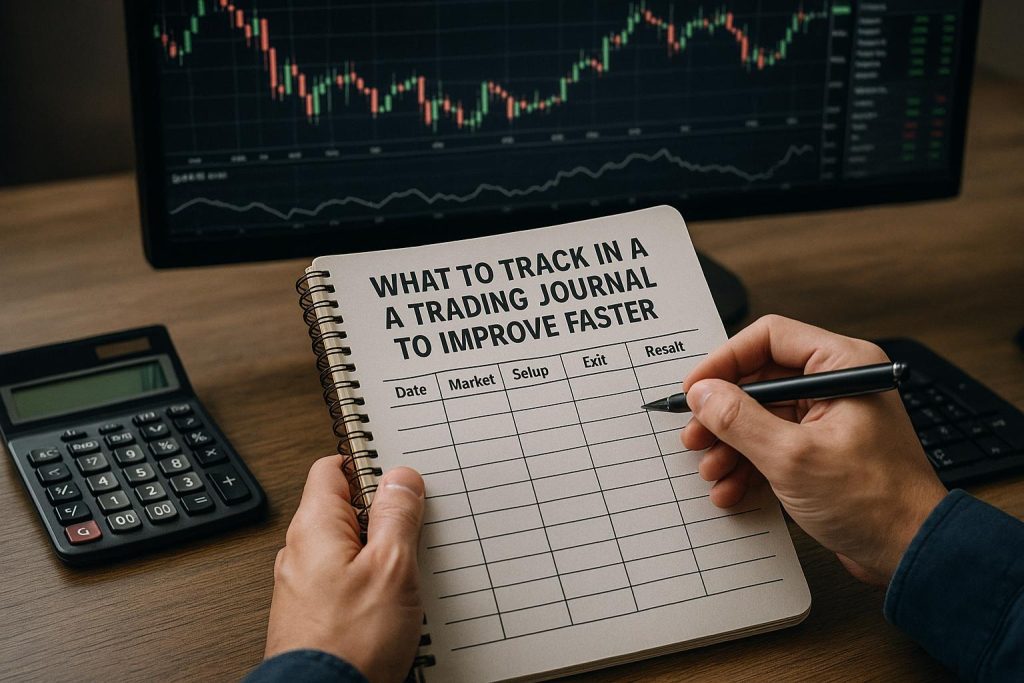
What to track in a trading journal to improve faster
Written on August 7, 2026 By admin in Uncategorized
A trading journal is an essential tool for traders aiming to improve their skills and optimize their strategies. It provides a structured way to reflect on past trades, understand patterns, and identify areas needing improvement. To maximize its effectiveness, certain elements should be precisely documented and analyzed regularly. Tracking the specifics of each trade is fundamental. Information such as the date and time of the trade, the asset or instrument traded, the position size, and the entry and exit prices should be recorded. This data serves as the foundation for further analysis. Keeping accurate and detailed trade records allows traders to go back and review their decisions, which enhances their understanding of the market and their performance over time. Understanding the reasons behind each trade is crucial. Document the strategy or setup used, the market conditions at the time, and the analysis leading to the decision. This includes both technical indicators and fundamental factors. Reflecting on the rationale helps in identifying whether the trade was based on sound logic or emotional impulse. By comprehensively noting the logic behind each trade, traders can evaluate the strengths and weaknesses of their strategies and make informed adjustments. Effective risk management is vital in trading. Note the stop-loss level set for each trade and whether it was adhered to. Analyze the risk-to-reward ratio and the portion of your account balance risked per trade. Understanding risk measures allows for more strategic decision-making in the future. This aspect of trading journals can help traders refine their approach to risk, aiming to protect their capital and improve profitability over time. After a trade is closed, it is important to evaluate its outcome. Document whether the trade was successful or not and compare actual results against expectations. Analyze what went well and what could be improved. This reflection aids in refining strategies and enhancing trading acumen. By rigorously conducting post-trade analysis, traders can identify patterns in their trading decisions and performance, leading to better-informed future trades. Recording emotional responses during trades is often overlooked but highly beneficial. Note feelings experienced, such as anxiety or overconfidence, as they can influence decisions. Identifying emotional patterns helps in developing a more disciplined trading mindset. By recognizing and addressing emotional responses, traders can work towards maintaining objectivity and reducing the influence of emotions on their trading activities. Regularly review the trading journal to extract insights. Identify recurring patterns, common mistakes, and successful strategies. Use these insights to adjust your trading plan and ensure continuous improvement. Setting specific goals for future trades based on journal reflections can lead to more strategic approaches. Consistently reviewing and learning from the journal can significantly contribute to a trader’s long-term success and adaptability in the market. For more extensive resources on maintaining an effective trading journal, several expert trading platforms provide comprehensive guides and templates. Consider exploring options that best fit your trading style and requirements. Having a structured approach to journaling can significantly enhance a trader’s ability to learn from past experiences, fine-tune strategies, and maintain an objective perspective on trading activities.Introduction
Trade Details
Trade Rationale
Risk Management
Post-Trade Analysis
Emotional Reflections
Insights and Next Steps
This article was last updated on: August 7, 2026