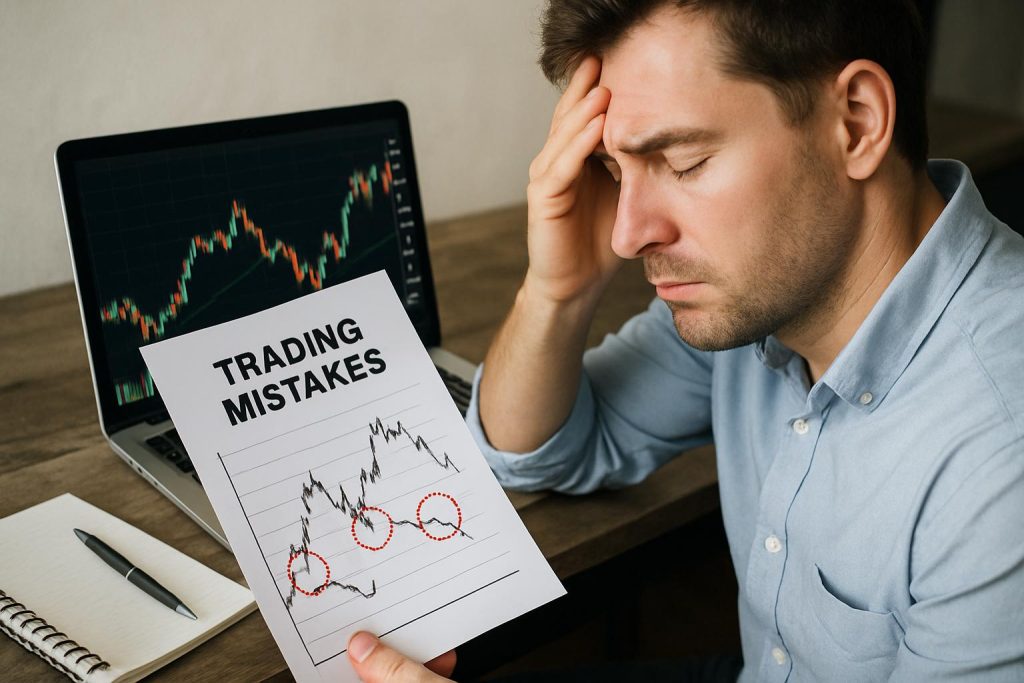
How to spot patterns in your trading mistakes
Written on August 14, 2026 By admin in Uncategorized
Introduction
Trading in the financial markets involves a blend of skill, strategy, and the ability to remain composed under pressure. Yet, despite one’s experience, mistakes are inevitable. Understanding and recognizing these trading mistakes is crucial for optimizing performance. The unpredictability of the market often magnifies these mistakes, making it essential for traders to focus on behavioral and strategic factors that are within their control. By systematically identifying these recurring mistakes, traders can devise effective strategies to avoid them in the future, thereby improving their trading outcomes.
Analyzing Trading Activity
A thorough analysis of past trading activity is an integral part of spotting patterns in trading mistakes. This requires a detailed examination of not only unsuccessful trades but also those that have been successful. Analyzing every trade provides a comprehensive picture of trading behavior and the factors influencing decision-making. This approach ensures that traders understand what strategies have worked in the past and which ones have led to repeated mistakes.
Maintain a Trading Journal
One of the most effective tools for tracking and analyzing trading activity is a trading journal. A trading journal serves as a repository for all trade-related information, allowing for detailed post-trade analysis. It should typically contain the following elements:
1. Trade Date: The date and time of each trade should be recorded to understand the market conditions and other external factors present at that time.
2. Trade Details: Include specifics such as the type of asset traded, size of the trade, entry, and exit points. This information is critical for identifying trends in asset performance relative to the broader market.
3. Reasoning: Document the rationale behind each trading decision. This should encompass any technical or fundamental analysis conducted, along with any external advice that influenced the trade.
4. Outcome: Differentiate between profitable trades and those that resulted in losses. This distinction is vital for assessing the effectiveness of your strategies.
By maintaining such a detailed log, traders can easily identify patterns and recurring mistakes, allowing for adjustments in future trading strategies.
Review Your Emotions
While trading might appear to be a purely logical endeavor, it’s significantly influenced by emotions. Trading decisions are often swayed by feelings such as fear, greed, and overconfidence, which can lead to irrational trading behavior. Reflecting on the emotional state experienced during each trade is vital for identifying emotional patterns that affect trading decisions. Questions to consider include: Were you overly confident in a specific trade? Did fear cause you to exit a profitable position prematurely? By identifying these emotional cues, traders can develop strategies to manage their emotional responses, thereby improving trading results.
Identifying Common Mistakes
After collecting and analyzing data from past trades, it’s time to focus on identifying common mistakes that hinder trading success. Understanding these common pitfalls can help traders make informed decisions and avoid them in the future.
Overtrading
One of the most prevalent mistakes is overtrading, which stems from the desire to capitalize on every market opportunity. This behavior often results in excessive trading and can lead to significant losses without a clear, analytical basis. To avoid overtrading, it’s essential to assess the frequency of trades and consider whether decisions were based on solid analysis or merely impromptu impulses driven by short-term market fluctuations.
Ignoring Stop-Loss Orders
Stop-loss orders are crucial risk management tools intended to limit potential trading losses. However, traders sometimes fail to set these orders due to overconfidence or emotional biases. Some traders might even ignore stop-loss levels they set initially, hoping for a market reversal in their favor. A thorough analysis of instances where stop-loss orders were either not set or deliberately ignored can highlight this critical mistake, underscoring the need for disciplined risk management practices.
Poor Risk Management
Effective risk management is the backbone of successful trading. Determining the appropriate amount of capital to risk on any single trade necessitates calculated decision-making. A lapse in risk management often results in unnecessary exposure and significant financial setbacks. Identifying trades where risk management strategies were inadequately applied can help in formulating better strategies and ensuring disciplined capital allocation in future trades.
Utilizing Technology
In the digital age, technology offers numerous tools and resources to assist traders in analyzing their trading patterns and mistakes. Modern trading platforms provide sophisticated analytical tools capable of visualizing trade histories and outcomes, which can be instrumental in identifying trends and correlations that might not be evident from a manual review of trades. Utilizing these tools can enhance a trader’s ability to discern patterns in trading mistakes and modify strategies accordingly. Furthermore, technological tools often offer simulations and back-testing features, allowing traders to test strategies before applying them in live markets, thereby minimizing the potential for recurring mistakes.
Conclusion
In conclusion, identifying and understanding patterns in trading mistakes is an invaluable process for traders seeking to enhance their decision-making process and overall performance. A disciplined approach to reviewing trade journals, reflecting on emotional influences, recognizing common mistakes, and leveraging technological tools is central to this endeavor. By consistently applying these methods, traders can uncover patterns, learn from past errors, and develop robust strategies that adapt to the ever-changing dynamics of the financial markets. Continuous improvement in trading practices not only boosts a trader’s confidence but also enhances the potential for sustained success in their trading journey.
This article was last updated on: August 14, 2026