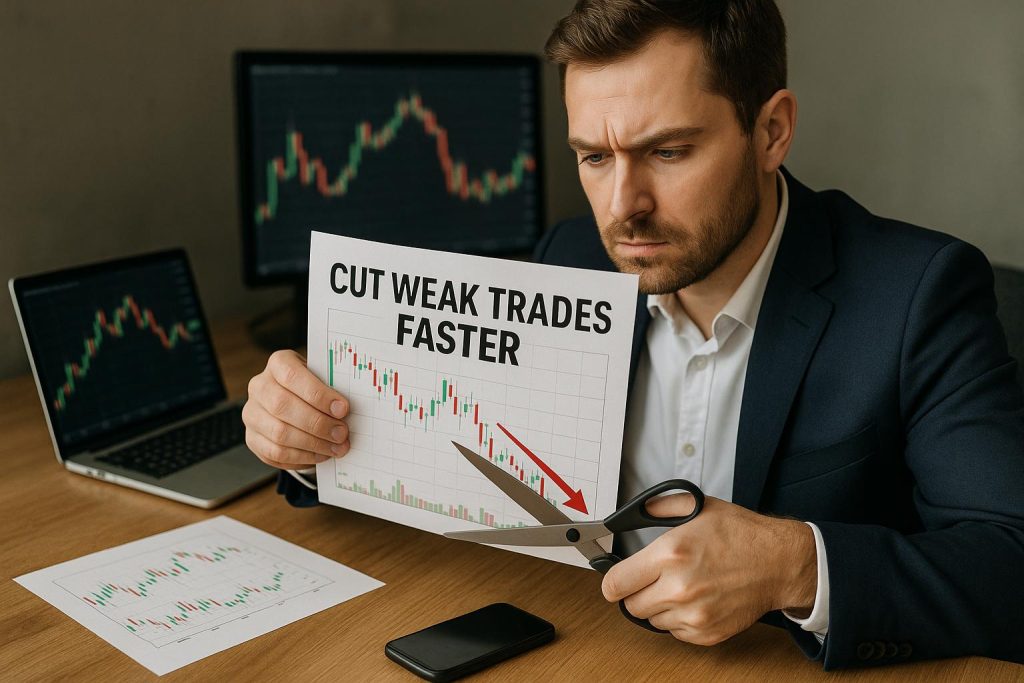
How to cut weak trades faster
Written on September 25, 2026 By admin in Uncategorized
Understanding the Importance of Cutting Weak Trades
In the volatile world of trading, the ability to quickly identify and cut weak trades can be crucial to sustaining profitability and minimizing losses. This practice helps traders allocate their resources more efficiently and focus on opportunities with higher potential returns. Efficient trade management is not only about capturing profits but also about minimizing potential setbacks. This requires a calculated and well-informed approach to identifying and eliminating underperforming trades.
Identifying Weak Trades
The first step in cutting weak trades is learning how to identify them. A weak trade often lacks strong supporting evidence or deviates from your trading strategy. This requires a deep understanding of what constitutes a strong trade and a precise system for detecting deviations. Elements that can indicate a weak trade include:
- Inadequate Research: Trades that are not supported by sufficient market analysis or fundamental research might be weak. Detailed analysis, including studying financial statements, looking at economic indicators, and understanding industry trends, typically supports robust trades. Weak trades might lack these elements, making them susceptible to unpredictable market shifts.
- Emotional Decisions: Decisions influenced by emotions rather than logic and analysis can often lead to weak trades. Emotional trading, such as acting out of fear or greed, often results in entering or exiting trades without adequate rationale. Professional traders develop techniques to recognize and control emotional impulses, thereby promoting a disciplined trading approach.
- Non-Compliance with Strategy: Trades that do not align with your established trading strategy should be approached with caution. A well-crafted trading strategy defines conditions and parameters for executing trades, including entry and exit points, position sizing, and risk management protocols. Deviating from this strategy can introduce unnecessary risks that contribute to trade weakness.
Setting Defined Exit Criteria
Having predefined exit criteria helps traders make objective decisions about when to cut a trade. This step is key in enforcing discipline and applying systematic decision-making processes rather than allowing emotional influences to compromise trade outcomes. These criteria are typically based on:
- Stop-Loss Orders: Setting a stop-loss order can automatically close a trade if it reaches a certain loss level, preventing further loss. It is a fundamental risk management tool that acts as a safeguard against large unexpected losses. Proper stop-loss placement is crucial; it must reflect both market volatility and the trader’s risk tolerance.
- Risk-Reward Ratio: Ensuring that each trade has a risk-reward ratio that aligns with your overall trading goals and not straying from this plan. A favorable risk-reward ratio indicates potential profitability and is fundamental in strategic planning, helping to maintain a balance between risk exposure and reward expectations.
Leveraging Technical Indicators
Technical indicators can offer insights into the market’s behavior and assist traders in deciding when to exit a weak trade. These indicators analyze price movements and trends to generate actionable trade signals. Indicators like the Relative Strength Index (RSI) or the Moving Average Convergence Divergence (MACD) can help determine market momentum and possible reversals. RSI, for example, measures the speed and change of price movements, while MACD is effective at spotting trend reversals. Incorporating these tools into a trading strategy can enhance decision-making by providing quantitative data to guide exit criteria.
Practicing Discipline
Discipline is critical in executing efficient trade exits. Adhering to your predetermined criteria without second-guessing yourself can prevent emotional decision-making that often leads to unnecessary losses. Embracing a disciplined approach means following through with your trading plan unequivocally, even in periods of market uncertainty. Consistently applying your strategy builds confidence and improves long-term results. Discipline reinforces a trader’s ability to stick to risk management rules and systematic execution, providing structure and stability to trading operations.
Reviewing and Adapting the Strategy
The trading environment is dynamic. It is essential to continuously review your performance and strategy. Markets evolve due to shifts in economic conditions, geopolitical events, and technological advancements, necessitating periodic recalibration of strategies. Analyze your past trades to identify patterns and make adaptations to your plan as necessary. Assessing both profitable and losing trades objectively provides valuable insights, enabling you to refine techniques, improve risk management, and optimize decision-making processes. By doing so, you can sharpen your ability to identify weak trades more effectively and remain agile in adapting to market changes.
Educating Yourself
Continuous education is vital to keep up with the evolving markets and trading strategies. Traders should engage in ongoing learning to enhance their skills and knowledge base. Consider using resources such as online finance education platforms for staying informed about the latest strategies and market developments. Reading books, attending webinars, participating in workshops, and networking with experienced traders can also be beneficial. Knowledge enhances a trader’s analytical capabilities and keeps them attuned to new trends and tools in the trading landscape.
Conclusion
Cultivating the habit of cutting weak trades swiftly contributes significantly to maintaining a robust trading portfolio. By identifying weak trades early, setting clear criteria, leveraging technical indicators, maintaining discipline, and continually educating yourself, you optimize your chances of success in the trading world. Systematic and proactive management of weak trades leads to more efficient capital allocation, reduces unnecessary risk exposure, and allows you to focus on profitable opportunities. Remember, successful trading is not just about making profits, but also about managing and minimizing losses effectively. A disciplined and informed approach enhances sustainable trading performance, positioning you better for enduring success in the markets.
This article was last updated on: September 25, 2026